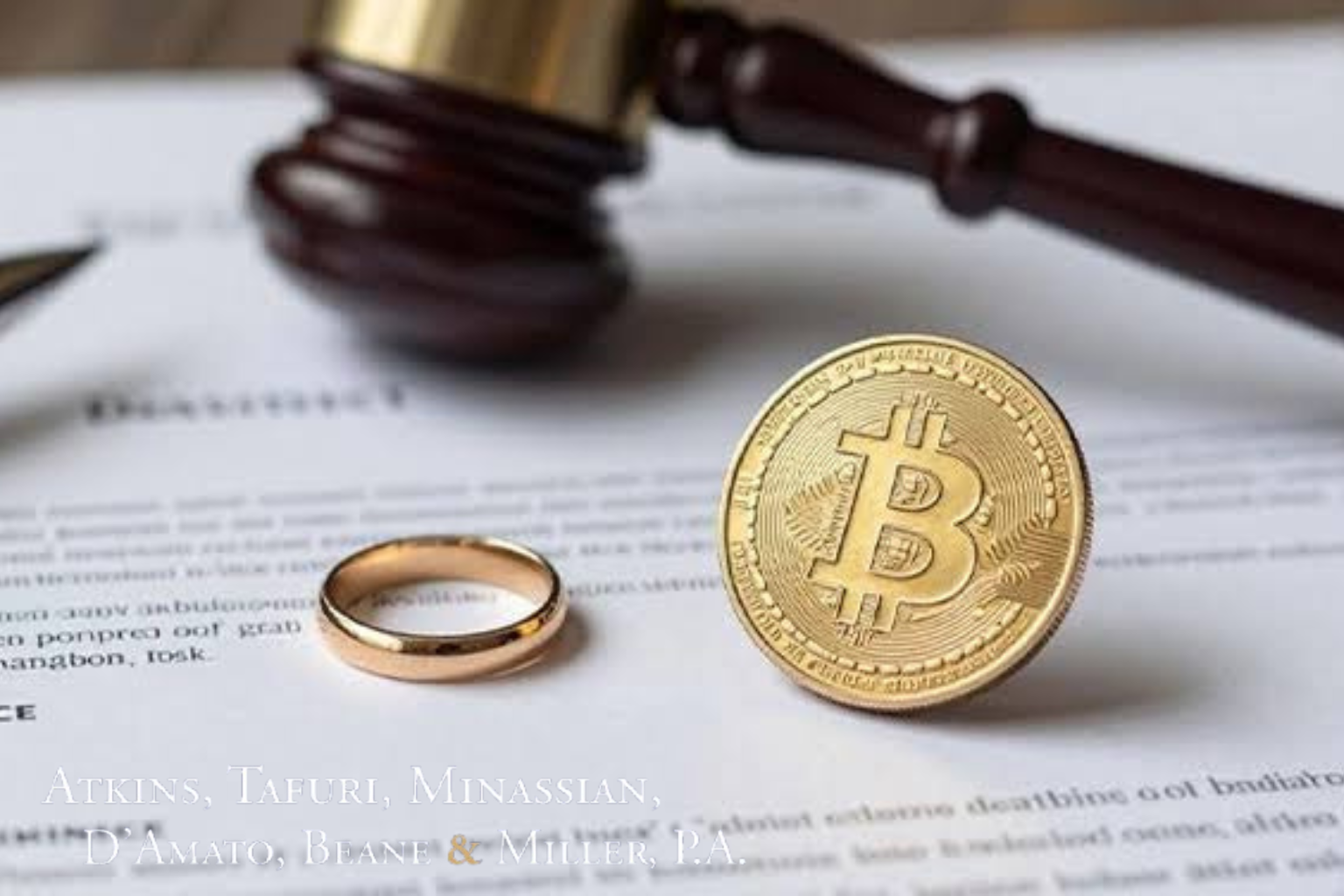
Digital Assets in Divorce: Who Keeps Cryptocurrency and Online Accounts?
Digital assets in divorce can complicate property division when cryptocurrency, online businesses, or other digital holdings are involved. These assets may fluctuate in value, be difficult to trace, or raise questions about ownership and disclosure.
If you and your spouse own digital assets, understanding how they may be treated during divorce is an important step toward protecting your financial interests.
In New Jersey, equitable distribution governs the division of marital property, but that does not automatically mean each spouse receives an equal share. Identifying digital holdings, determining their value, and establishing ownership can all affect the outcome.
1. Cryptocurrency Can Become Marital Property
Cryptocurrency in divorce may be subject to equitable distribution when acquired during marriage. The account name alone does not determine ownership. Courts can examine when cryptocurrency was purchased and which funds paid for it.
Premarital cryptocurrency may remain separate if its origin can be traced. Commingling can complicate classification. Records include exchange statements, wallet addresses, and tax documents. New Jersey courts describe equitable distribution as identifying property, valuing it, and deciding its fair allocation.
2. Division Is Not Automatically 50/50
The answer to how is cryptocurrency divided in divorce depends on classification, value, and the estate. New Jersey does not presume an equal division of every asset. Courts consider statutory factors and financial and non-financial contributions.
One spouse might retain cryptocurrency while the other receives home equity. Retirement accounts or investments can also offset its value. The court may consider each spouse’s economic circumstances, contributions, and the overall marital estate when determining an equitable distribution.
3. Hidden Holdings Can Create Discovery Problems
Digital assets marital property can be harder to identify when ownership spans exchanges, wallets, platforms, or devices. Some holdings may never appear on ordinary bank statements.
Warning signs include unexplained exchange transfers, hardware wallets, sudden investment changes, and inconsistent spending. Blockchain activity may help trace transfers.
If you suspect concealed assets, raise the issue through formal discovery. Do not access another person’s account without authorization. Preserving financial records can help establish ownership, transactions, timing, and potential changes in asset values.
4. Cryptocurrency Valuation Can Be Complicated
How to value cryptocurrency in divorce becomes difficult when prices change rapidly. A balance can have different values on different dates.Parties should identify a valuation date and methodology. They should consider whether the asset will be transferred or sold.
A settlement can address volatility. Spouses can agree on a pricing method and consider tax consequences before accepting cryptocurrency instead of other property. New Jersey courts require valuation before deciding how property should be allocated.
5. Online Accounts Can Have Real Financial Value
Online accounts in divorce can include monetized social media profiles, online stores, domain names, and subscription businesses. Ownership may involve contracts, intellectual property, customer relationships, and revenue.
Questions include who created the account, when it began, and who funded it. Revenue and transfer restrictions can also matter.
What Should You Disclose?
Digital holdings should be included in financial disclosures when relevant to the marital estate. Prepare an inventory of exchanges, wallets, online businesses, and valuable property.
Accurate disclosure can reduce disputes and help attorneys determine which assets require deeper investigation.
Protect Your Financial Interests
Proper identification and valuation can prevent disputes. Digital Assets in Divorce should be reviewed alongside the rest of the marital estate.
Atkins, Tafuri, Minassian, D’Amato, Beane & Miller, P.A. handles family law and property division matters in New Jersey. For guidance, call 201-967-5060 or visit our firm’s contact page.
Frequently Asked Questions

What assets are not included in a divorce?
In New Jersey, certain assets, such as qualifying premarital property, gifts, and inheritances, may remain separate property. However, commingling or marital contributions can affect their status. Digital assets marital property classification depends on when and how the assets were acquired.
Can you hide crypto when going through a divorce?
Hiding cryptocurrency during divorce can lead to legal consequences. Financial disclosure requirements may apply to crypto holdings, and transaction histories can help identify undisclosed assets. Hidden cryptocurrency in divorce cases may require financial records and formal discovery to investigate.
What are two examples of digital assets?
Two examples are cryptocurrency, such as Bitcoin, and online business accounts that generate revenue. Online accounts in divorce may have financial value, making ownership, income, and acquisition dates important when dividing marital property.
What qualifies as a digital asset?
A digital asset is property or a right held electronically, such as cryptocurrency, NFTs, domain names, or monetized online accounts. Cryptocurrency in divorce may be subject to equitable distribution depending on when it was acquired and whether it qualifies as marital property.